Understanding Thinning Hair and Its Causes
Thinning hair is a common concern for both men and women, and it can occur for a variety of reasons. Genetics, hormonal changes, poor diet, stress, and certain medical conditions can all contribute to hair thinning. While thinning hair is often seen as a natural part of aging, it can be distressing for those who are experiencing it at an early age. Fortunately, there are several effective solutions that can help treat and prevent further hair thinning.
1. Medications for Thinning Hair
Medications are one of the most common and effective ways to address thinning hair, especially if the hair loss is caused by hormonal imbalances or male/female pattern baldness. Some of the most popular medications for thinning hair include:
- Minoxidil (Rogaine): Minoxidil is a topical solution available over the counter. It is designed to stimulate hair follicles and promote hair regrowth. Minoxidil is effective for both men and women and can be used on the scalp to treat thinning hair.
- Finasteride (Propecia): Finasteride is an oral medication that works by blocking the hormone DHT, which is responsible for shrinking hair follicles and causing hair thinning in men. Finasteride is typically prescribed for men with male pattern baldness.
Both minoxidil and finasteride require consistent use to show results, and it can take a few months before noticeable improvements are seen. Always consult with a healthcare provider before starting any medication to ensure it’s suitable for your needs.
2. Natural Remedies for Thinning Hair
If you prefer a more natural approach, several remedies can help prevent or slow down thinning hair. These include herbs, oils, and dietary supplements that promote healthy hair growth:
- Rosemary Oil: Rosemary oil is known to improve circulation to the scalp and stimulate hair follicles. Massaging rosemary oil into your scalp can help improve hair thickness over time.
- Aloe Vera: Aloe vera is known for its soothing and moisturizing properties. It can help balance the pH of the scalp, reduce inflammation, and promote healthy hair follicles.
- Biotin: Biotin, also known as vitamin B7, is a water-soluble vitamin that supports healthy hair and skin. Biotin deficiency is often linked to hair thinning, so taking biotin supplements can help improve hair health.
While natural remedies can be gentler on the body, it may take longer to see results compared to medical treatments. However, they can be a great addition to a comprehensive hair care routine.
3. Hair Restoration Surgery
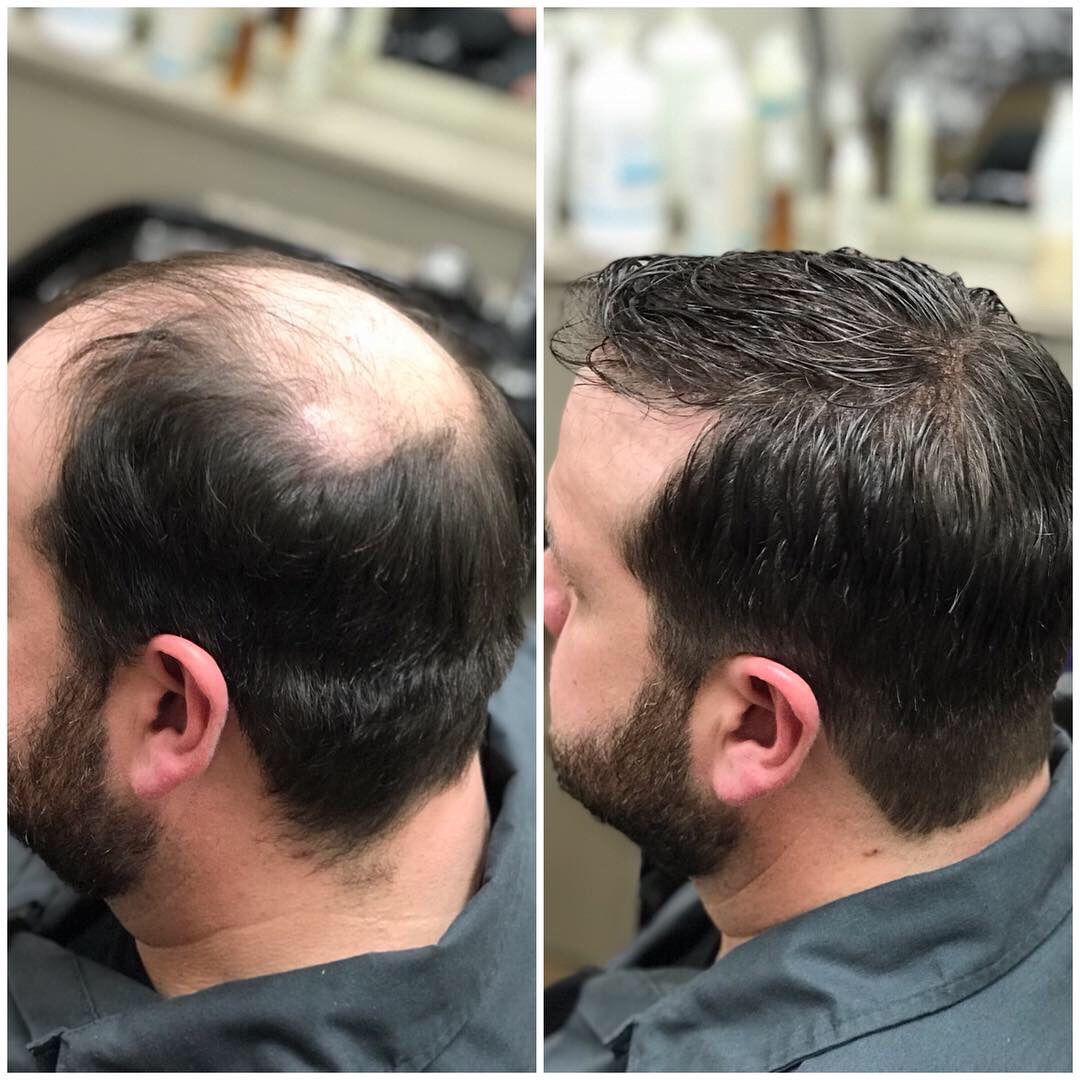
For those with significant hair thinning or baldness, hair restoration surgery may be a viable solution. Hair transplant procedures involve taking healthy hair follicles from one part of the scalp (often the back or sides) and transplanting them into areas experiencing thinning or baldness.
There are two main types of hair transplant procedures:
- Follicular Unit Extraction (FUE): In this method, individual hair follicles are extracted from the donor area and transplanted to the thinning areas of the scalp.
- Follicular Unit Transplantation (FUT): In FUT, a strip of skin containing hair follicles is removed from the donor area, and the follicles are divided into smaller grafts and transplanted.
Hair transplants can provide permanent results, but they require a significant investment of time and money. Recovery time varies depending on the procedure, and it’s essential to consult with an experienced surgeon to determine whether you’re a good candidate.
4. Lifestyle Changes for Healthier Hair
In addition to medical treatments and natural remedies, adopting healthier lifestyle habits can improve the health of your hair and prevent further thinning:
- Eat a Balanced Diet: A diet rich in vitamins, minerals, and proteins can help strengthen hair follicles and promote hair growth. Include foods like eggs, spinach, nuts, and salmon to support hair health.
- Manage Stress: Chronic stress can contribute to hair loss. Engage in stress-reducing activities like yoga, meditation, or deep-breathing exercises to help manage your stress levels.
- Avoid Heat and Chemical Damage: Excessive use of hair styling tools like flat irons and blow dryers can damage hair and cause thinning. Limit the use of heat styling tools, and avoid harsh chemical treatments that can weaken hair strands.
Making these simple changes in your lifestyle can have a significant positive impact on the health of your hair.