What are the risks and benefits of intermittent fasting for health?
Overview of Intermittent Fasting: What Are The Risks And Benefits Of Intermittent Fasting For Health?
What are the risks and benefits of intermittent fasting for health? – Intermittent fasting (IF) is an eating pattern that alternates between periods of fasting and eating. Unlike traditional diets that focus primarily on what to eat, intermittent fasting emphasizes when to eat. This approach has gained popularity due to its simplicity and potential health benefits. The basic principle of intermittent fasting revolves around cycles of eating and fasting. Some popular methods include:
- 16/8 Method: Involves fasting for 16 hours each day and consuming all meals within an 8-hour window.
- 5:2 Diet: Involves eating normally for five days a week and restricting calorie intake to about 500-600 calories on two non-consecutive days.
- Alternate-Day Fasting: This method alternates between days of fasting and eating normally, often leading to reduced calorie intake overall.
Historically, fasting has deep roots in various cultures and religions, often used for spiritual and health reasons. Ancient peoples practiced forms of fasting, believing it could enhance spiritual clarity, and many cultures continue to incorporate fasting into their religious rituals.
Health Benefits of Intermittent Fasting
Intermittent fasting is associated with several health benefits that can enhance overall well-being.
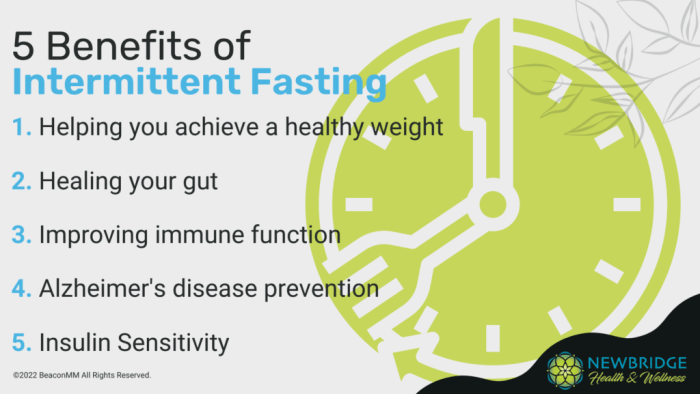
- Weight Loss: One of the most notable benefits of intermittent fasting is its potential for weight loss. By restricting eating periods, individuals often consume fewer calories, which can lead to weight reduction.
- Improved Metabolic Health: Intermittent fasting may improve insulin sensitivity, leading to better blood sugar regulation. Studies have shown that it can lower fasting insulin levels, thereby reducing the risk of type 2 diabetes.
- Heart Health: This eating pattern can positively influence heart health by improving cholesterol levels, decreasing blood pressure, and reducing inflammation, which are all significant risk factors for cardiovascular diseases.
- Brain Health: Research indicates that intermittent fasting may boost cognitive function and promote brain health by enhancing the production of brain-derived neurotrophic factor (BDNF), a protein that supports neuron health.
Risks and Side Effects of Intermittent Fasting, What are the risks and benefits of intermittent fasting for health?
While intermittent fasting offers various health benefits, it also comes with potential risks and side effects, especially for certain populations.
- At-Risk Populations: Individuals with diabetes, pregnant women, or those with a history of eating disorders should approach intermittent fasting with caution and consult healthcare providers before starting.
- Common Side Effects: During the initial phases of intermittent fasting, many experience side effects such as fatigue, irritability, and headaches as the body adjusts to the new eating pattern.
- Long-Term Risks: When comparing intermittent fasting to traditional dieting methods, some studies suggest that long-term fasting can lead to nutrient deficiencies if not managed properly.
Scientific Research and Studies
Numerous studies have been conducted to explore the health effects of intermittent fasting, providing valuable insights into its efficacy and safety. Research methodologies vary but often include randomized controlled trials and observational studies. Some key findings indicate significant improvements in metabolic markers, weight loss, and even longevity in animal studies.The quality and reliability of research on intermittent fasting are generally high, but it’s essential to recognize that many studies are still ongoing.
Future research will likely provide a clearer understanding of the long-term effects of intermittent fasting on human health.
Practical Tips for Implementing Intermittent Fasting
If you’re considering intermittent fasting, here are some practical guidelines to help you get started safely and effectively:
- Start Gradually: Begin with shorter fasting periods, such as the 12/12 method, and gradually extend the fasting window as your body adapts.
- Sample Meal Plan: A typical meal plan for a 16/8 fasting schedule might include a nutritious breakfast at 10 AM, a healthy lunch at 1 PM, and a satisfying dinner at 6 PM.
- Overcoming Challenges: Stay hydrated, consider herbal teas, and focus on nutrient-dense foods during eating windows to reduce hunger and ease the transition.
Personal Considerations and Customization
When incorporating intermittent fasting into your lifestyle, it’s crucial to align it with your personal health goals. Consulting a healthcare provider before starting intermittent fasting is especially important for those with pre-existing conditions. Additionally, consider creating a checklist to evaluate your readiness for intermittent fasting. This can include assessing your current health status, daily routine, and support systems to ensure that this approach is a good fit for your lifestyle.